
All articles


Personalised long-term support for sustainable weight loss.
At Yazen, sustainable weight loss is achieved through a comprehensive, long-term approach, combining a multidisciplinary team of professionals to provide personalised support. Our focus on continuous care, motivation, and tailored strategies helps 70% of patients stay committed to their GLP-1 therapy journey after one year, promoting lasting health and weight maintenance.



A long-term, individualised weight loss programme for lasting change
Yazen’s evidence-based approach is rooted in science, with research showing that long-term behavioural changes lead to better weight loss maintenance and improved health. Our multidisciplinary programme incorporates these proven methods to ensure sustainable weight management for our patients.



The Paleo diet – eat like in the Stone Age
What is Paleo?
The Paleolithic diet, often referred to as Paleo, is based on the foods humans ate during the Stone Age before agriculture was introduced. The diet focuses on natural and unprocessed foods, while minimising the intake of processed products, added sugar and salt.
Paleo is often promoted as a pathway to a healthy lifestyle by emphasising natural ingredients and avoiding processed foods. However, the Paleo diet is controversial, as it has sometimes been credited with exaggerated health benefits and there is disagreement regarding the explanatory model behind the diet.
Many people have heard of the Paleo diet – also known as the Stone Age diet – but what does Paleo actually involve? What are the advantages and disadvantages of this approach, and what does the research say? The dietitians at Yazen clarify the facts.


The plate model – a simple guide to balanced meals
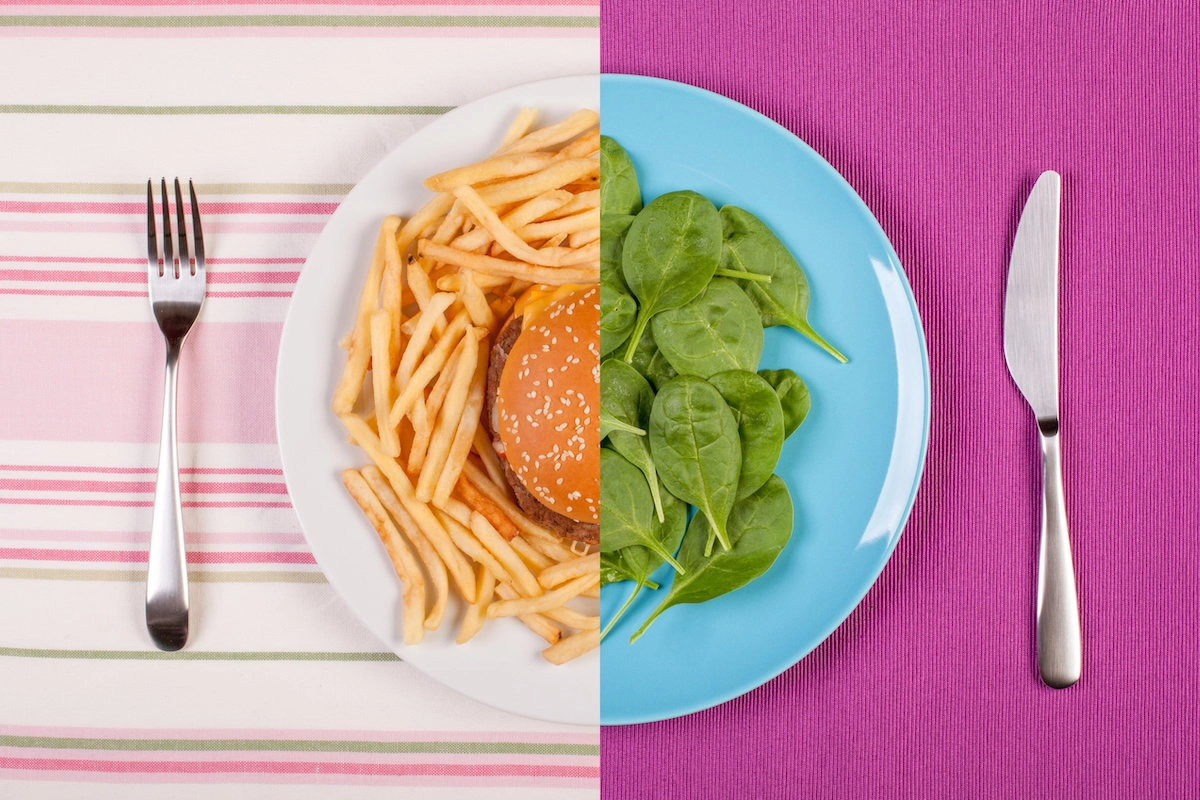
The plate model is an educational tool designed to help you eat in a more balanced and healthy way, particularly at lunch and dinner. It serves as a simple guide for planning and assembling nutritious meals without the need for advanced nutritional calculations.



.avif)

Low-carb (LCHF): guide, risks and benefits
Low-carb eating (LCHF) reduces carbohydrates and replaces them with more fat and protein. For some people, this can lead to a lower energy intake, weight loss and, in some cases, improved health. In type 2 diabetes, a low-carbohydrate diet may help with blood glucose control. In this guide, you’ll learn what LCHF is, what to eat, and which risks you should be aware of before you start.

Diets for weight loss – which ones work best and offer sustainable results?
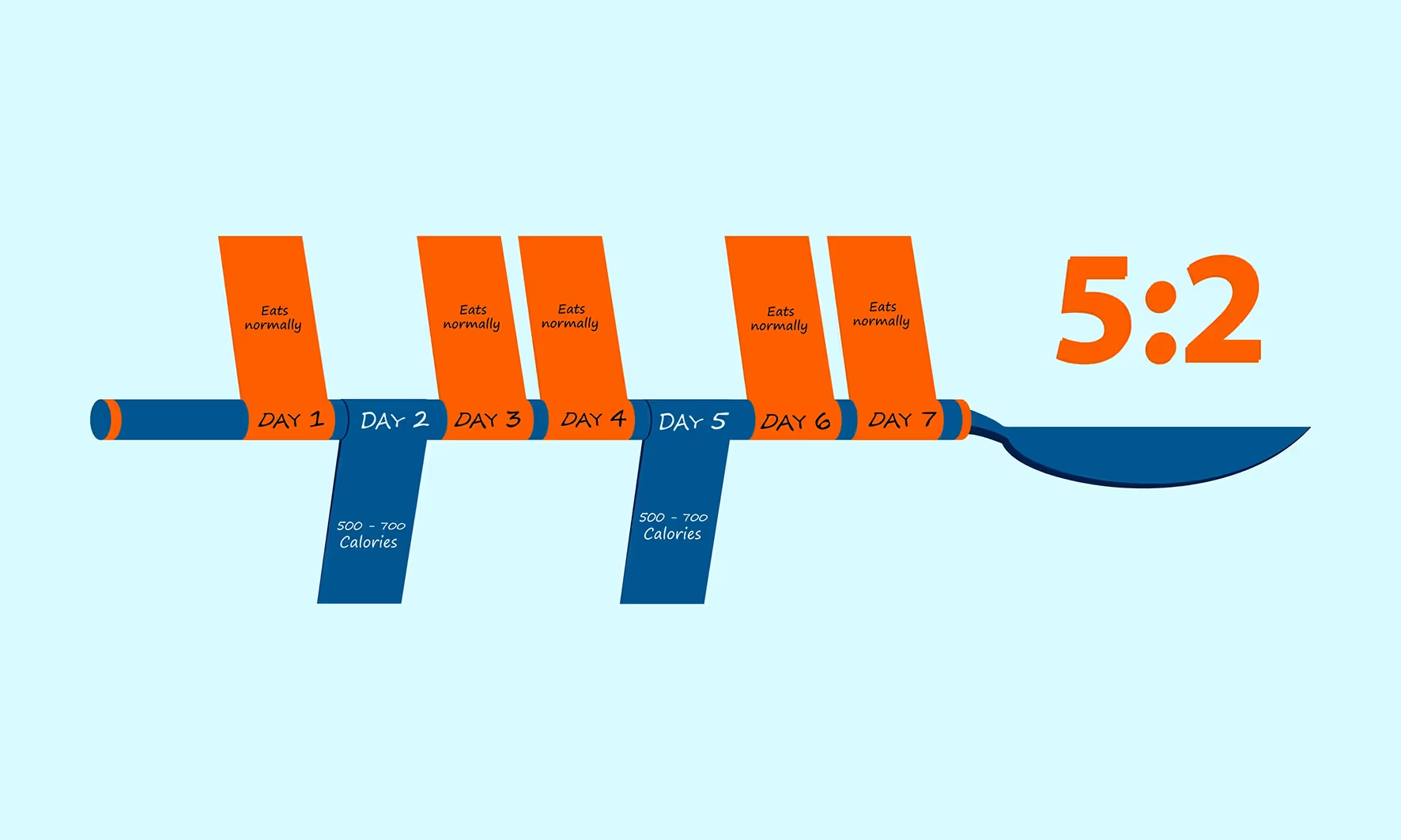
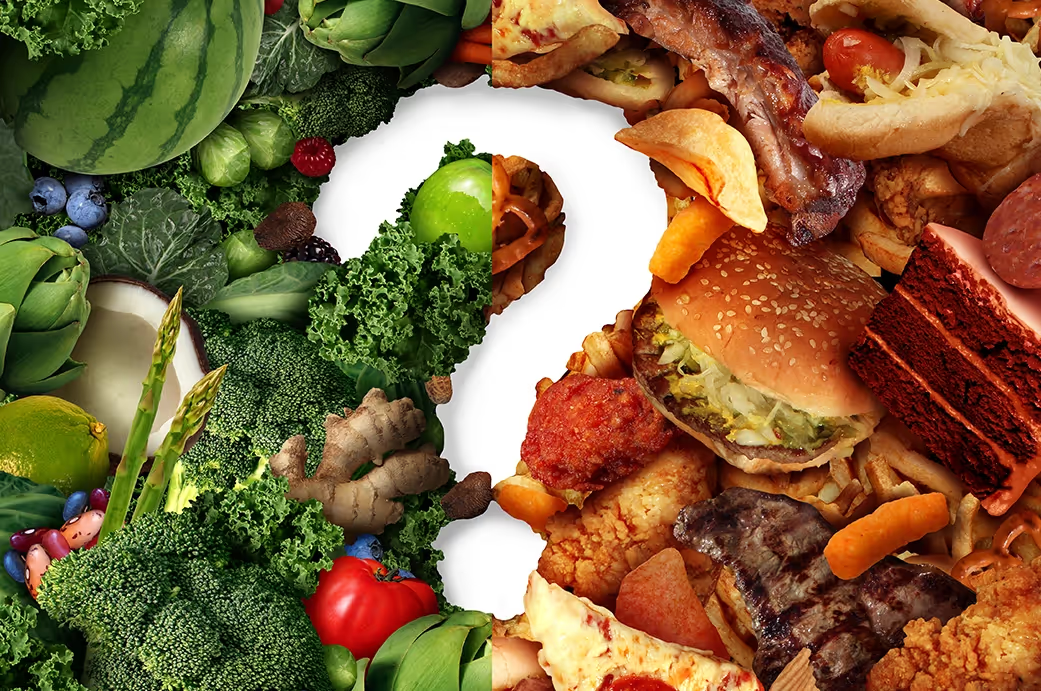
The keto diet, the 5:2 method, Paleo, LCHF and intermittent fasting – these are just a few examples of popular diets that often promise solutions to your health problems and claim to be the optimal path to rapid weight loss. But how well do they actually work – and, more importantly, how sustainable are they in the long term?
In this article, we at Yazen explore how different diets work, why many people find that they’re difficult to maintain over time, and what might be a more sustainable approach to achieving your goals.

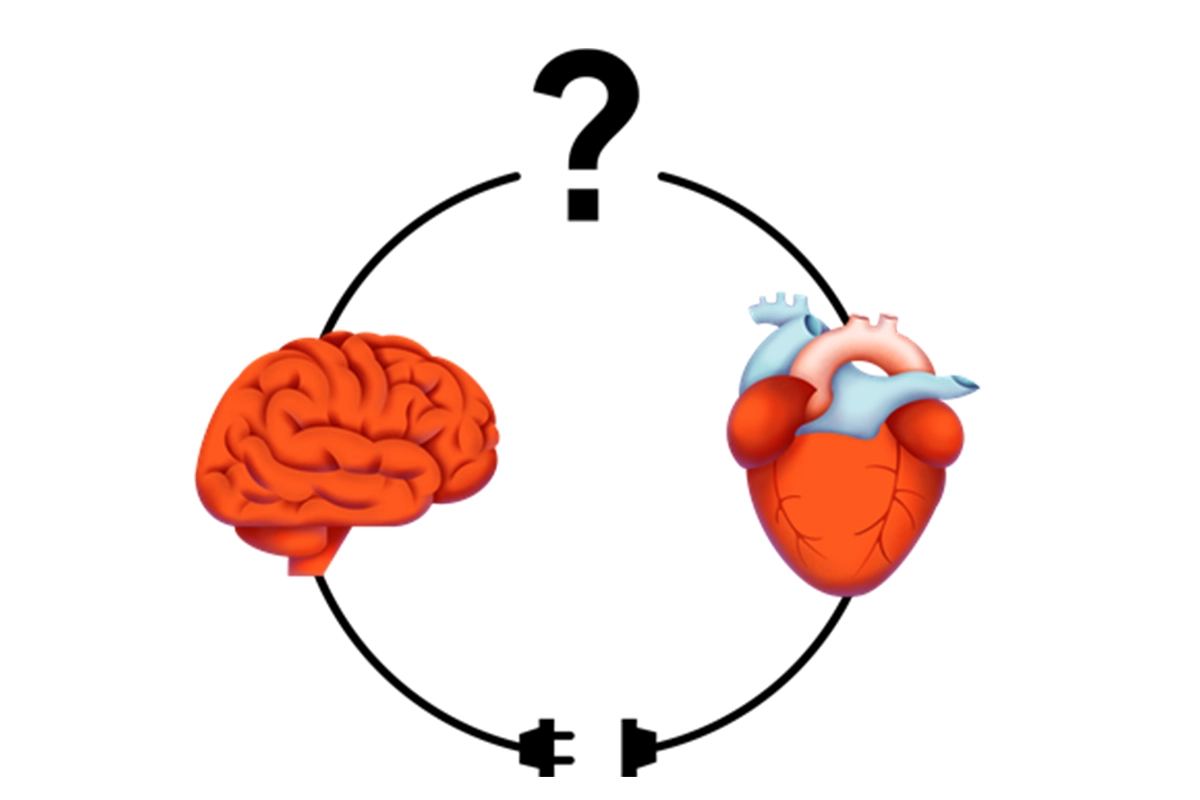
New research: over a third of Brits see obesity as a personal choice
A new survey by Yazen Health uncovers widespread misconceptions about obesity, with over one-third of Brits seeing it as a personal choice rather than a chronic disease. These findings highlight the urgent need for greater public education and medically-guided obesity care.
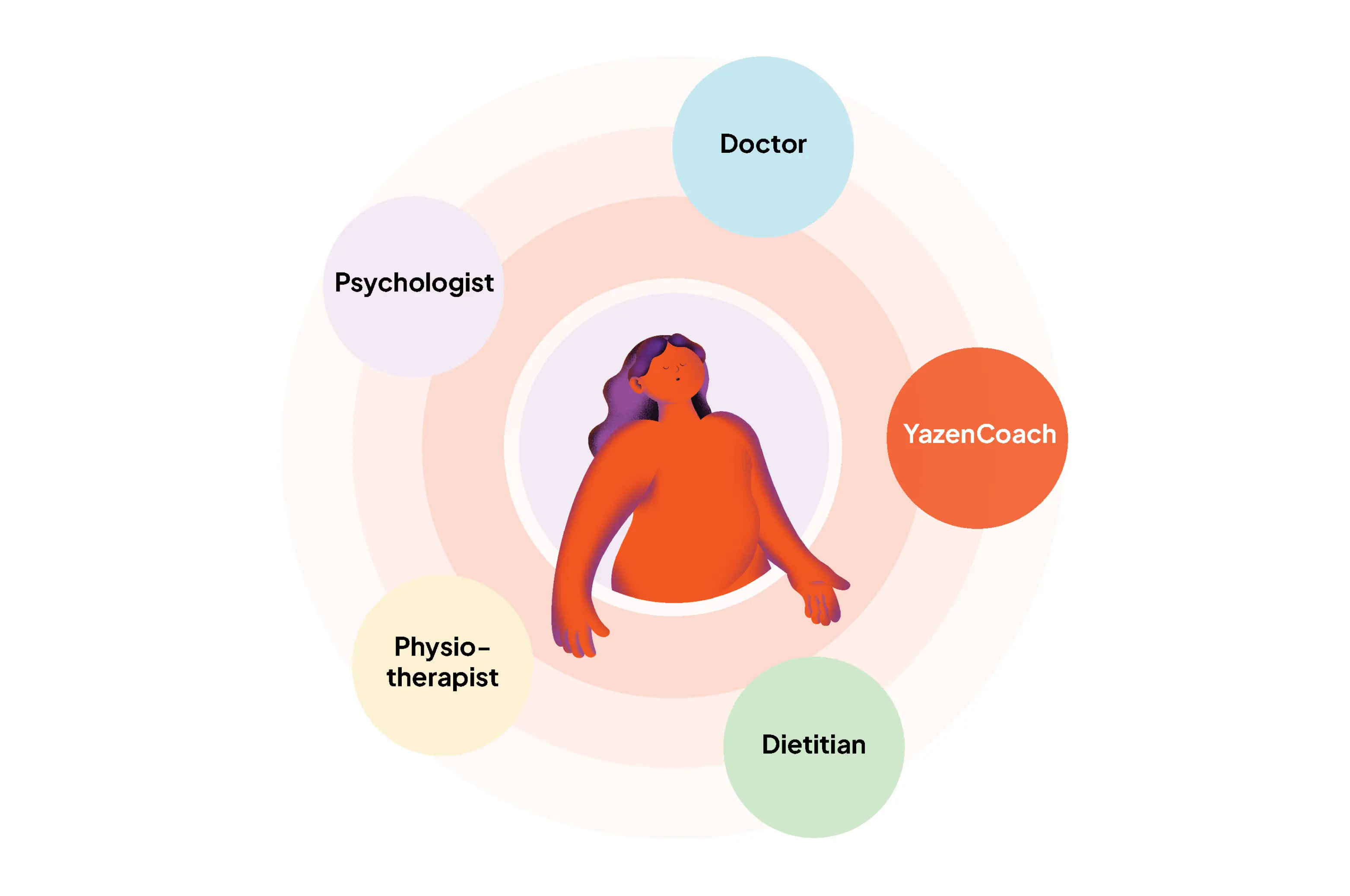
Rethinking Obesity Care Through a Comprehensive Digital Model
The Yazen model integrates medical treatment, behavioural support, education, and social engagement into one continuous digital care pathway. By combining multidisciplinary expertise with high accessibility and ongoing patient interaction, the model aims to support sustainable obesity treatment and long-term health improvement.
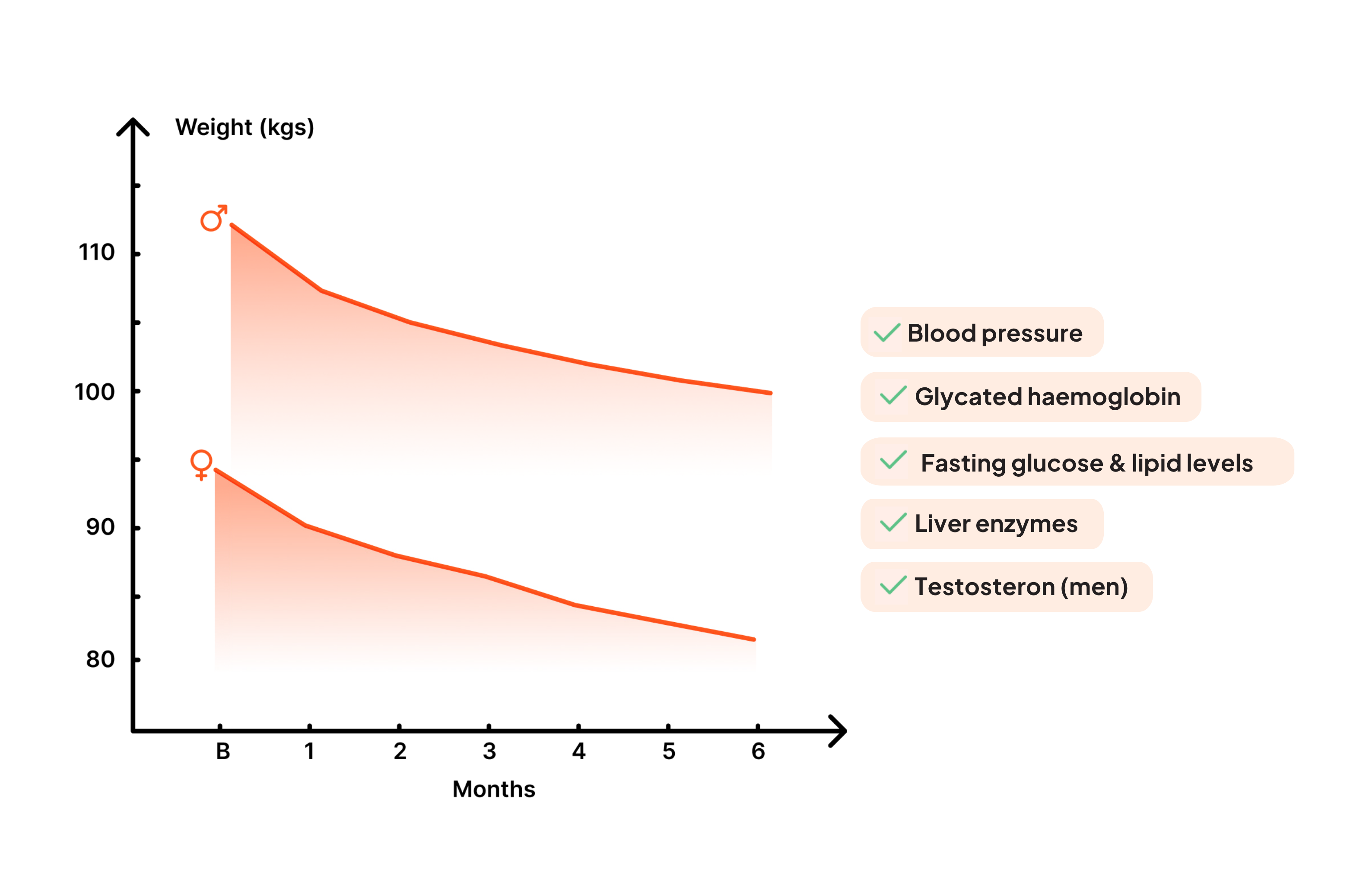
Examining the effectiveness of a new digital care model on weight loss for people living with obesity
This real-world evaluation of more than 2,600 patients in Sweden showed that Yazen’s comprehensive digital obesity care model achieved 12.6% weight loss after 6 months, alongside significant improvements in cardiometabolic health markers. The model combines GLP-1 treatment, lifestyle intervention, and continuous multidisciplinary support through a digital platform designed for long-term obesity care.